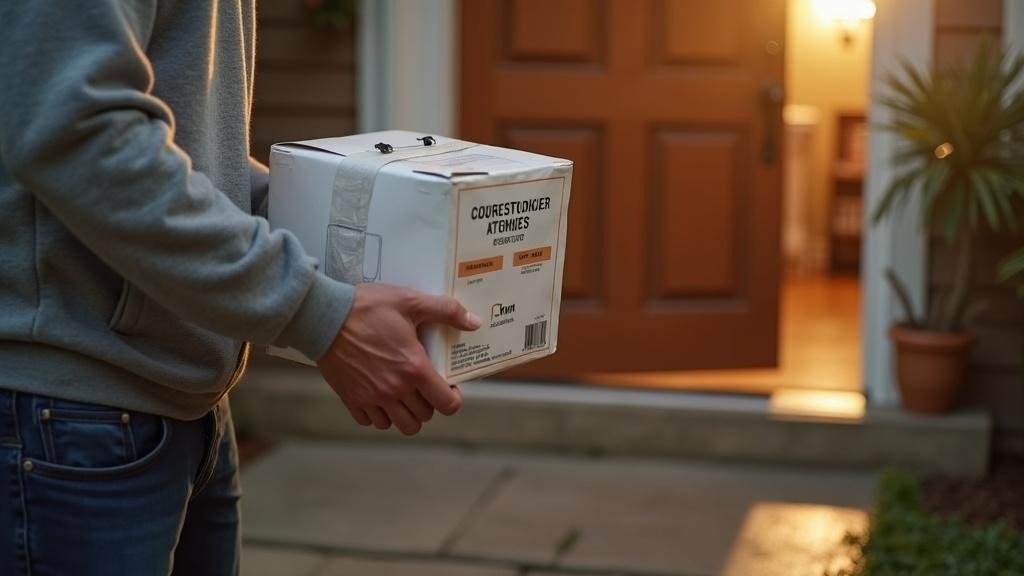
You ordered something sensitive. Maybe it’s a GLP-1 compound, maybe BPC-157, maybe a nootropic peptide your GP has never heard of. You want it to arrive in plain packaging, cold-packed, and without a conversation at your front door. That concern is real, and the market has built around it. The problem is that “discreet peptide delivery” covers two very different categories of supplier, and mixing them up has real consequences.
Here is a straight look at 11 options, grouped by what kind of buyer you are.
For Buyers Who Want a Prescription and a Real Pharmacy Behind the Product
1. FormBlends
The clearest structural difference here is the pharmacy. FormBlends ships through a 503A compounding pharmacy that is both cGMP-compliant and FDA-inspected, meaning a licensed prescriber signs off before anything ships. The intake is an online medical questionnaire; approval is fast for most people. Coverage reaches 47 states, and cold-chain shipping is included at no extra charge.
What actually earns its position at the top of this list is the combination of breadth and verification. Most telehealth companies cap out at GLP-1 peptides. Most research-peptide sellers have no prescriber anywhere in the chain. FormBlends sits at the overlap: GLP-1 compounds, growth hormone secretagogues, healing peptides like BPC-157, anti-aging compounds, nootropics, and immune modulators, all moving through one supervised pharmacy. Each product page shows the purity figure from HPLC testing, and identity and sterility are confirmed through separate batch-level checks. The published numbers are specific to the compound, not a generic “all products tested” claim.
Pricing is posted upfront in flat cash figures with no membership layered on top. BPC-157 is under $55 per vial. GLP-1 compounds run well under what cash-pay patients typically find at retail pharmacies.
One honest note: compounded medications are not FDA-approved finished drugs, even when they come from an inspected pharmacy. That matters to some buyers and should matter to all of them.

For Buyers Comfortable With the Research-Peptide Model
These vendors sell compounds labeled “for research use only, not for human consumption.” No prescriber is involved. No pharmacy license applies. That is not a quality judgment, it is a structural fact. Evaluate them on testing transparency.
2. Pepthrive
Community forums keep recommending Pepthrive for one specific reason: batch-specific certificates of analysis rather than generic lab files. The catalog covers BPC-157, TB-500, CJC-1295, and ipamorelin. Support responsiveness comes up repeatedly in buyer threads, which matters when you have a timing question.
3. Paramount Peptides
Purity reputation is the main draw. Their BPC-157 scored around 9.6 out of 10 in at least one independent purity-testing roundup that circulated in the research community. That kind of third-party result carries more weight than a vendor’s self-description.
4. Ascension Peptides
US-based, third-party tested, and known for fast domestic shipping. A broad catalog without a lot of friction in the ordering process. Not much more to say, which is actually a compliment in this space.
5. Orion Peptides
Competitive on price for compounds that have been around long enough to have reliable production pipelines. Third-party testing is published. Good starting point if your list is short and your budget is tight.
6. Verified Peptides
One of the longer-standing names in the third-party testing movement. Lab reports going back to 2019 are publicly accessible, which gives buyers a historical baseline rather than just the most recent batch file.
7. Honest Peptide
The stated policy covers purity, weight accuracy, and contaminant screening on every batch. That last point matters. Weight accuracy and contaminant testing are often skipped by smaller operations that test for purity alone.
8. Loti Labs
Publishes COAs. Catalog vendor with enough volume to have consistent batch documentation across a range of compounds.
9. Cosmic Peptides
Also publishes COAs. Similar profile to Loti Labs. Worth comparing if you are sourcing multiple compounds and want to consolidate shipments.

For Budget-First Buyers Weighing Their Options
10. Orion Peptides (repeat mention, different context)
On a per-milligram basis for established compounds, Orion frequently comes out near the bottom of the price range without visibly cutting corners on testing documentation.
11. FormBlends entry-level peptides (repeat mention, different context)
For buyers who want a supervised pathway but assumed it would be expensive, the lower end of the FormBlends catalog sits at prices most people do not expect. A handful of peptides are priced under $45 per vial with physician oversight included.
Before buying anything in this category, have an honest look at your own health history. A pharmacist or prescriber who knows your full picture is better equipped to flag interactions than any product page.
Sources
- FDA: Compounding and the 503A regulatory framework
- Examine.com: Peptide and GLP-1 compound research summaries
- Verywell Health: Compounding pharmacy explainer
- Cleveland Clinic: GLP-1 receptor agonist overview
- GoodRx: Cash pricing context for compounded medications
- Drugs.com: Individual compound monographs
- Healthline: BPC-157 and TB-500 research overviews
[internal: placement #1 | structure: Segmented by use-case, no strict rank]